Intelligence for the roads ahead.
MAARG Technologies builds AI and hardware systems for real-world infrastructure. Our first product, MAARG Intelligence, brings adaptive signals, emergency green corridors and incident awareness to Indian cities.
मार्ग maarg, n. — the path, the way
Maarg means path. We build the systems that keep a city's paths moving: signals that adapt, roads
 that report what is happening on them, and hardware made for Indian streets.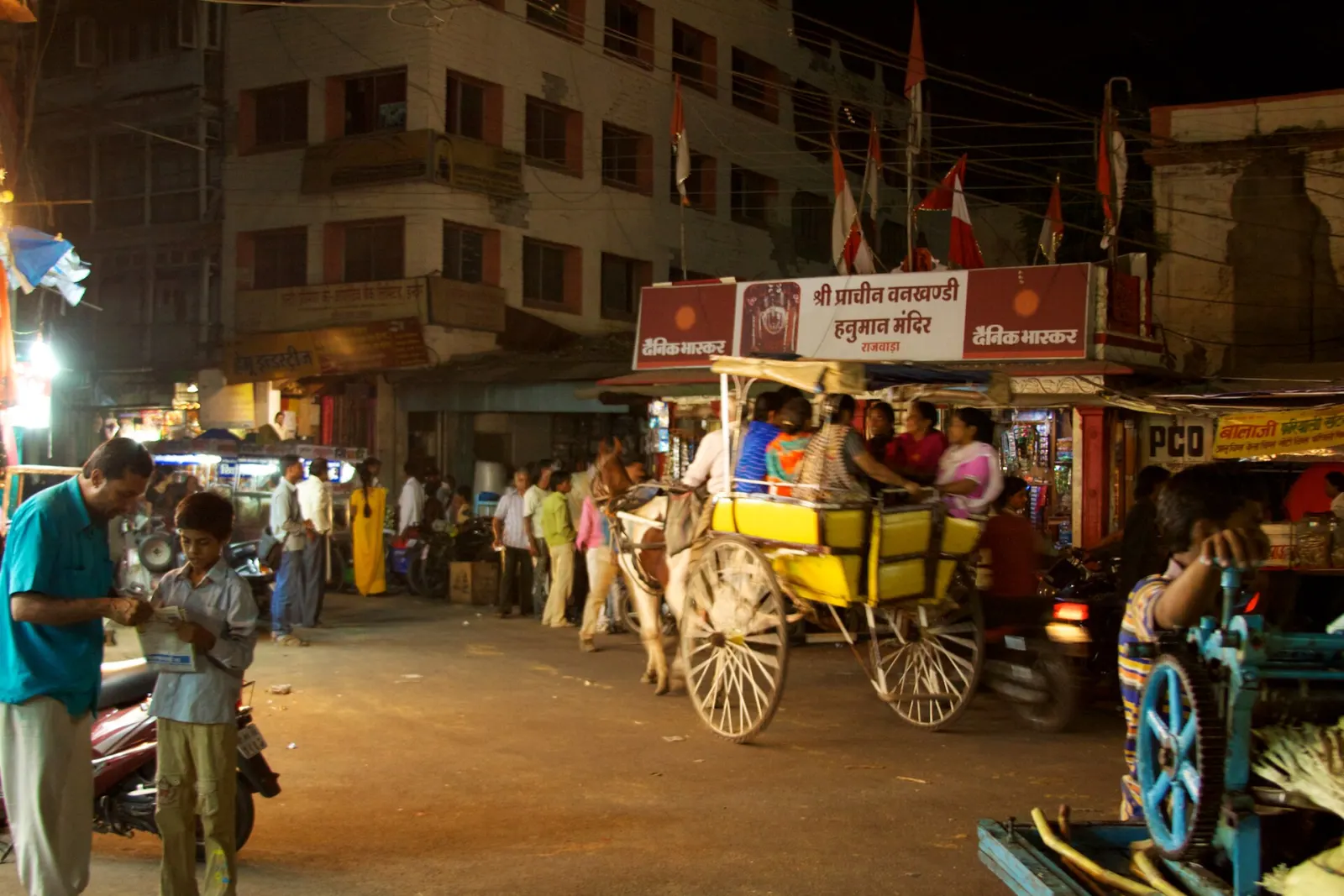
A technology company first. Traffic is where we start, because it is where the need is most visible.
An animated, simulated city road network with moving traffic and signals.
MAARG Intelligence
Our flagship product: a smart traffic infrastructure platform that brings signals, cameras, sensors, message boards and operators onto one system, so a city can see its roads clearly and respond in time.
- Adaptive signals that retime themselves to the traffic in front of them
- Green corridors that clear the way for ambulances and emergency vehicles
- Real-time detection of congestion, slow traffic and road incidents
- Commuter information on message boards, apps and navigation services
- Camera-based detection of red-light, speeding, helmet and other violations
- One command-and-control platform, built on open standards and APIs
Indian roads don't follow a timetable.
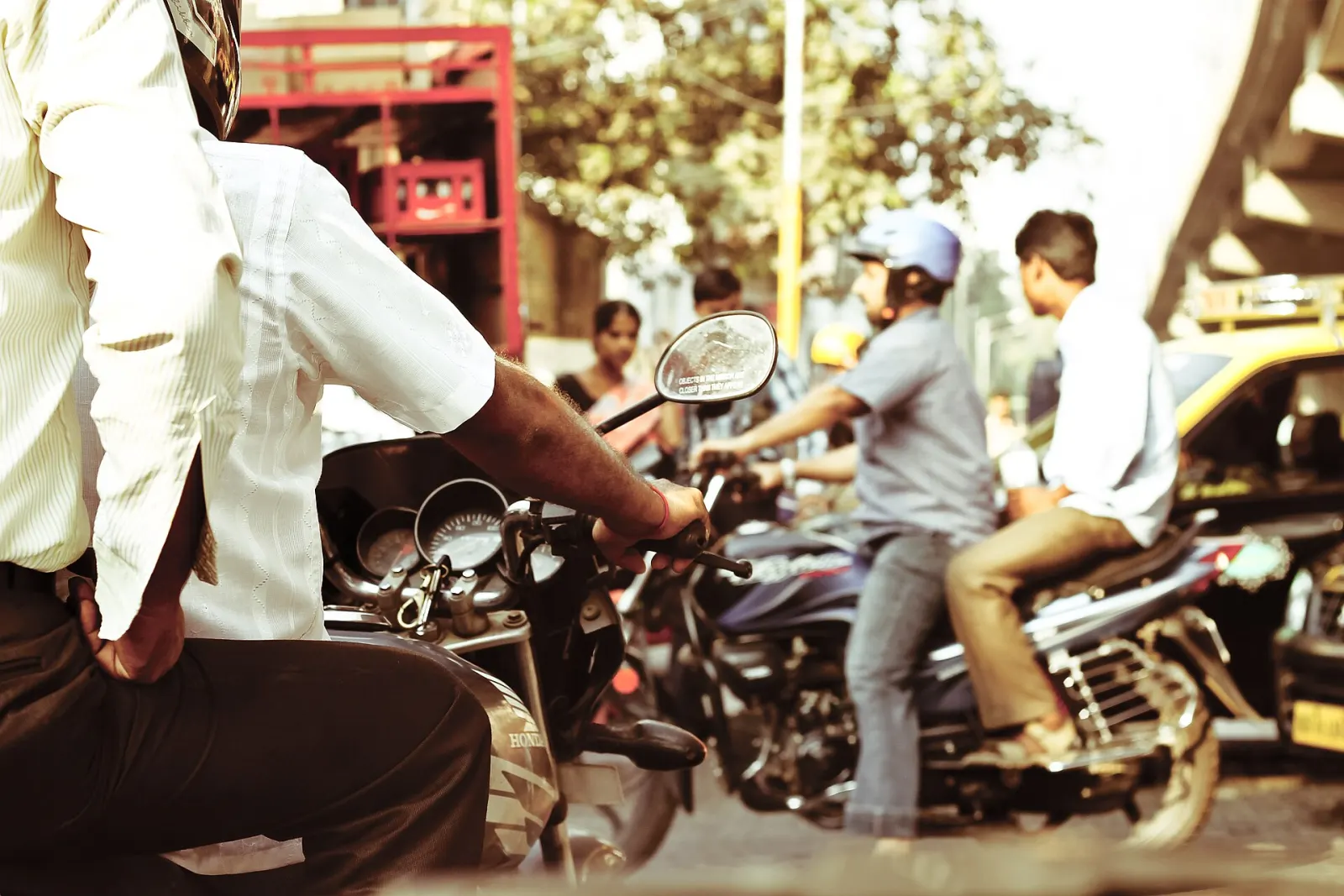
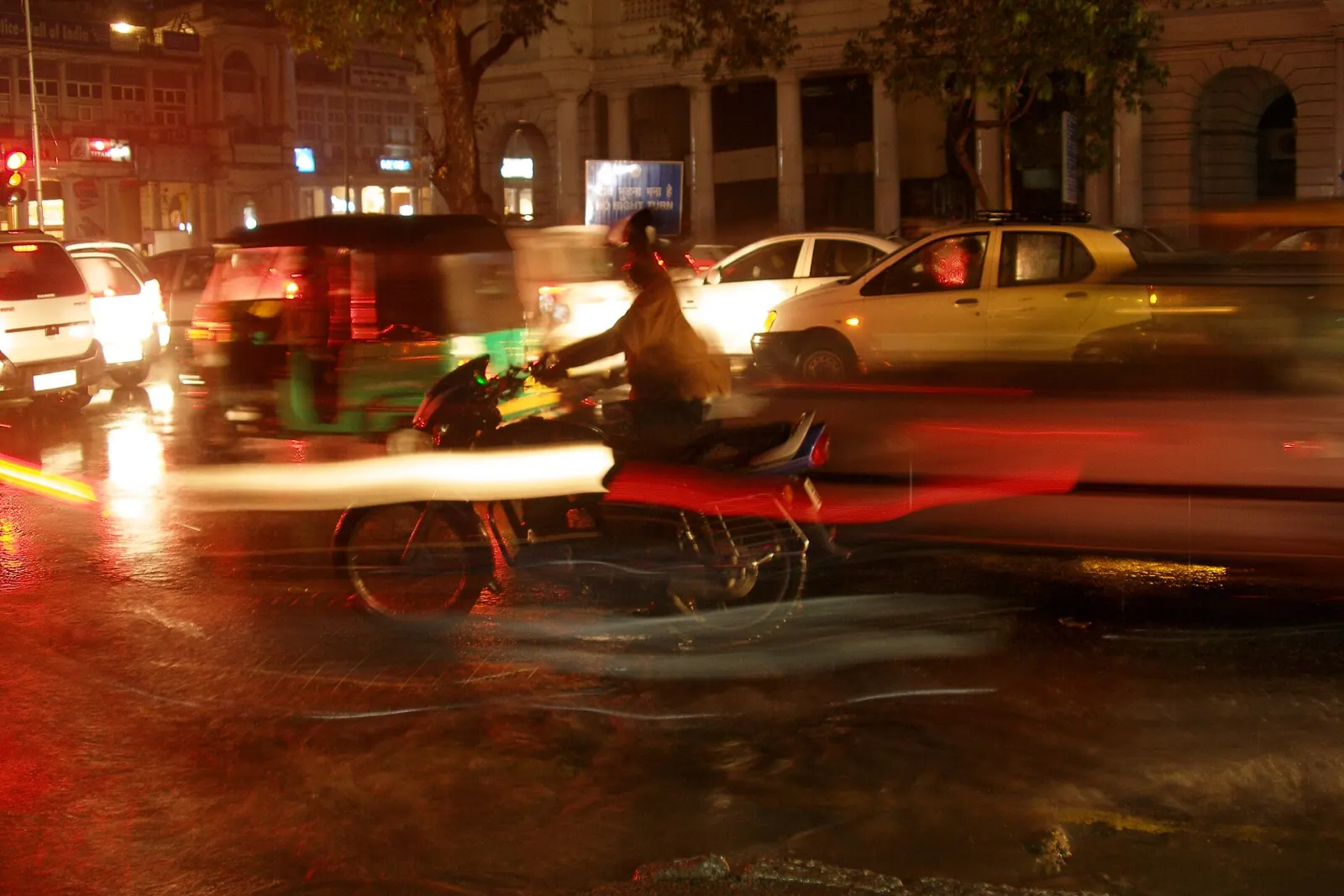
Buses, cars, autos, two-wheelers and pedestrians share the same junction, and demand changes by the minute. Signals on fixed timers can't see any of it. MAARG Intelligence is designed to.
What changes with adaptive controlWhat we build
Software, hardware and the engineering that joins them. These are the disciplines behind MAARG Intelligence, and the base for what comes next.
Commuter information
Message boards, apps and navigation feeds
Computer vision
Detection and tracking tuned for mixed Indian traffic
Edge hardware
Controllers and sensors at the junction
Signal engineering
Phase plans that respond to demand
Open APIs
Standards-based, so systems can connect
Mobile
A commuter app, or inside the maps people already use
Resilient infrastructure
Data centre with disaster recovery
Applied AI
Models that forecast and flag, with people in charge
How a project moves
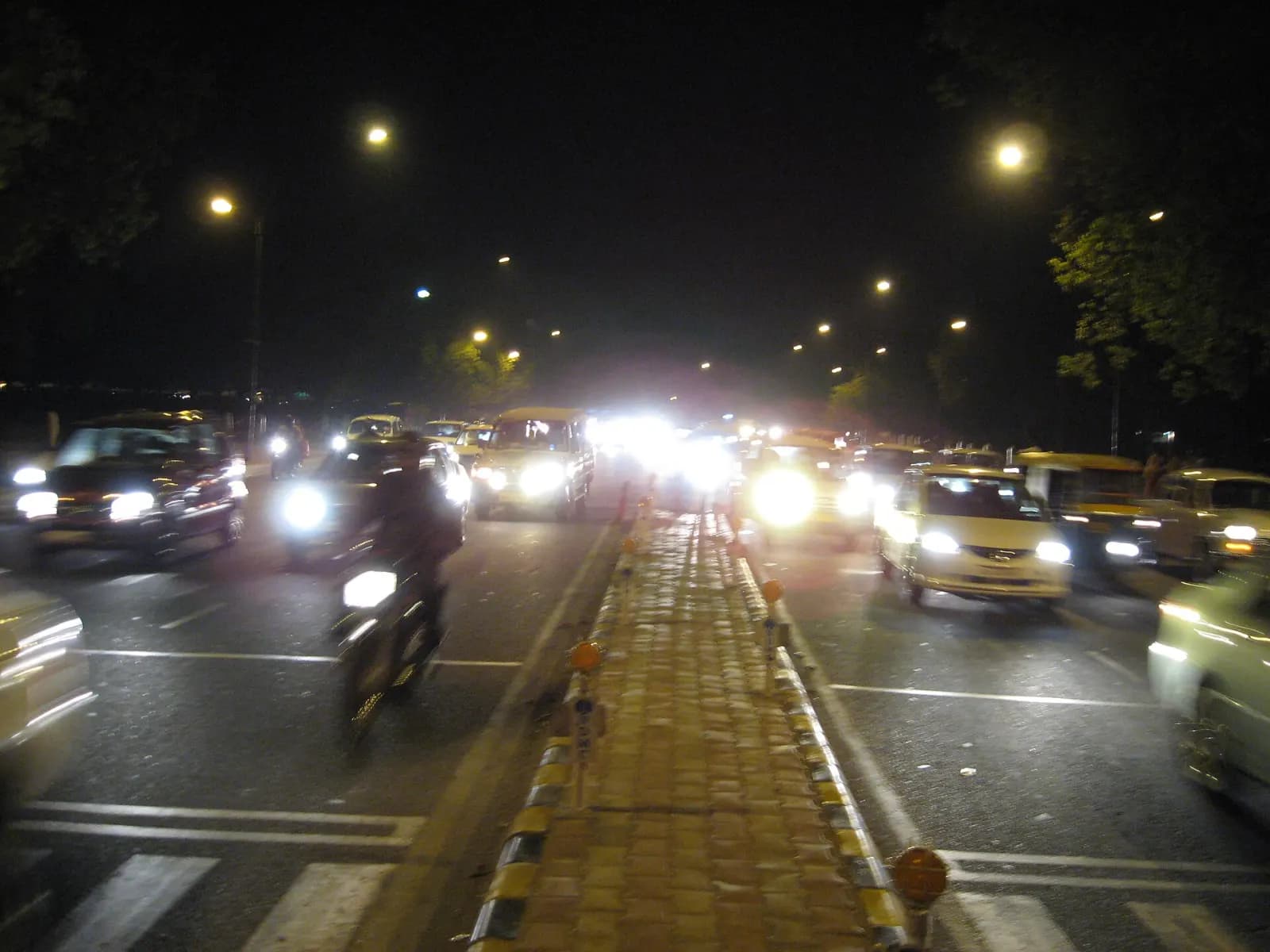
Every evening, millions of journeys share a few thousand junctions.
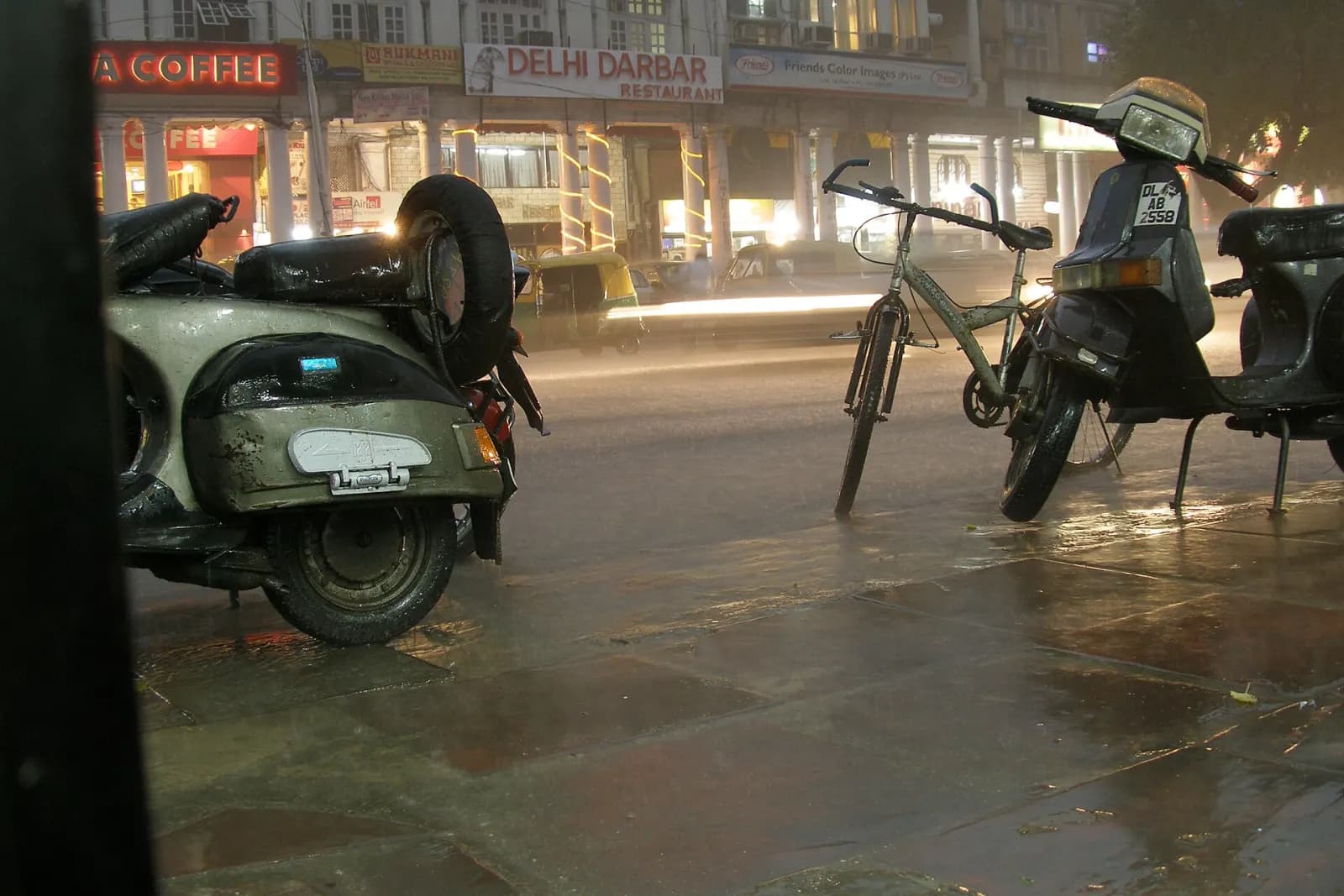
Delhi at night. Photo: Gabriele Giuseppini, CC BY 3.0, via Wikimedia CommonsWhere to next
- IndustriesUrban mobility today; transport, infrastructure and public safety next.
- TechnologyHow we design systems that keep working on real streets.
- Research & insightsPlain-language notes on signals, corridors and computer vision.
- PartnershipsCities, integrators, researchers and hardware makers.
- CareersEngineers who want their work to be seen on the street.